best coral reefs stand today as majestic underwater cathedrals of vibrant life, where equatorial oceanic currents gently whisper secrets to ancient limestone architectures shimmering beneath the turquoise waves. Across vast tropical blue horizons, resilient polyps and microscopic algae unite in a profound symbiotic dance, engineering breathtaking aquatic metropolises that sustain thousands of marine species against the shifting tides of our changing planet.
Recent marine assessments reveal critical thermal dynamics and complex biochemical pathways dictating how these fragile underwater ecosystems endure rising ocean temperatures. From the intricate feeding mechanics of delicate staghorn colonies to the silent majesty of nocturnal invertebrate spawning events, these submerged sanctuaries demonstrate an extraordinary capacity for biological adaptation and structural regeneration.
Travelers can discover how oceanic currents nurture the fragile architecture of the best coral reefs across equatorial coastlines.

Source: britannica.com
Beneath the shimmering turquoise surfaces of equatorial waters, a silent, breathtaking alchemy unfolds daily where vast oceanic currents collide with shallow continental shelves. These relentless marine highways deliver vital nutrients and regulate thermal thresholds, acting as the lifeblood for fragile ecosystems that pulse with vibrant marine biodiversity. As sunlight pierces the clear tropical columns, it illuminates submerged cathedrals of stone and color, engineered entirely by minuscule invertebrate architects building empires grain by grain.
The persistence of these submerged metropolises relies on precise thermodynamic properties found exclusively in tropical seas, where temperatures consistently hover between twenty-three and twenty-nine degrees Celsius. This specific warmth optimizes enzymatic reactions, drastically lowering the activation energy required for calcification. Within these balmy conditions, scleractinian corals harness dissolved calcium and bicarbonate ions from seawater, pumping protons out of their calcifying fluid to elevate pH levels and accelerate the precipitation of aragonite crystals.
This intricate biomineralization process transforms soft-bodied polyps into rigid, interlocking calcium carbonate skeletons that withstand relentless wave action and construct the foundational topography of the reef.
The Symbiotic Partnership Driving Reef Survival
The breathtaking coloration and structural growth of stony corals depend entirely on a microscopic alliance forged over millions of years between the animal polyp and single-celled algae. This delicate partnership allows reef systems to thrive in nutrient-poor oceanic deserts by recycling essential elements efficiently between plant and animal tissues. The primary mechanisms governing this mutualistic exchange dictate the metabolic success and overall resilience of the entire reef community.
- Photosynthetic dinoflagellates, known scientifically as zooxanthellae, reside safely within the gastrodermal cells of the coral host, where they capture abundant solar radiation.
- Through the process of photosynthesis, these microscopic algae convert carbon dioxide and water into oxygen and simple sugars, transferring up to ninety percent of their organic carbon products directly to the coral.
- In return, the coral polyp provides the algae with a protected physical shelter, constant exposure to sunlight, and essential metabolic waste products such as carbon dioxide, nitrogen, and phosphorus.
- This closed-loop nutrient cycle eliminates waste and fuels the rapid cellular proliferation necessary for the coral to build massive limestone frameworks across vast equatorial landscapes.
Biochemical Signaling Pathways Responsible for Coral Bleaching During Thermal Anomalies
When global climate phenomena elevate sea surface temperatures beyond normal seasonal maximums, the delicate biochemical harmony sustaining coral reefs collapses through a meticulously mapped cascade of cellular distress signals. Elevated thermal stress combined with intense solar irradiance induces metabolic overload within the chloroplasts of the resident zooxanthellae, severely disrupting the normal electron transport chain. As photosynthetic machinery becomes saturated, excess light energy reacts with molecular oxygen, generating a destructive accumulation of reactive oxygen species within the algal cells.
These toxic molecules, including hydrogen peroxide and superoxide radicals, quickly overwhelm the antioxidant defense systems of both the algae and the host coral, spilling over into adjacent host tissues and causing severe oxidative damage to cellular lipids, proteins, and DNA.
In response to this escalating internal toxicity, the coral host initiates a series of desperate defensive signaling pathways designed to purge the damaged, now-harmful symbionts before oxidative stress destroys the entire organism. Upregulated host immune responses trigger localized inflammatory pathways, while specific apoptotic signaling molecules such as caspases are activated to induce programmed cell death in the gastrodermal cells housing the symbionts.
Simultaneously, changes in adhesion protein expression on the surface of both the coral cells and the algae cause the breakdown of the symbiosome membrane, leading to the physical expulsion or digestion of the zooxanthellae. Deprived of their primary energy source and photosynthetic pigments, the translucent coral tissues reveal their stark white calcium carbonate skeletons beneath, a devastating visual manifestation of cellular starvation known globally as coral bleaching.
Thermal stress converts life-sustaining symbionts into cellular hazards, initiating a molecular cascade of oxidative damage and expulsion that strips reefs of their vibrant color and energy.
To better understand the diverse environmental conditions required to sustain these ecosystems, marine researchers monitor specific physical and biological parameters across protected reserves globally. The following comparative data Artikels key environmental metrics and dominant species found in major tropical marine parks.
| Marine Park | Water Temperature | Salinity | Depth Range | Predominant Coral Species |
|---|---|---|---|---|
| Great Barrier Reef, Australia | 24°C – 29°C | 34 – 36 PSU | 2m – 30m | Acropora cervicornis, Porites lobata |
| Tubbataha Reefs Natural Park, Philippines | 26°C – 30°C | 33 – 35 PSU | 5m – 40m | Pocillopora verrucosa, Fungia danae |
| Raja Ampat Islands, Indonesia | 27°C – 31°C | 32 – 34 PSU | 1m – 25m | Stylophora pistillata, Montipora digitata |
| Belize Barrier Reef Reserve System | 25°C – 29°C | 35 – 37 PSU | 3m – 20m | Orbicella annularis, Diploria labyrinthiformis |
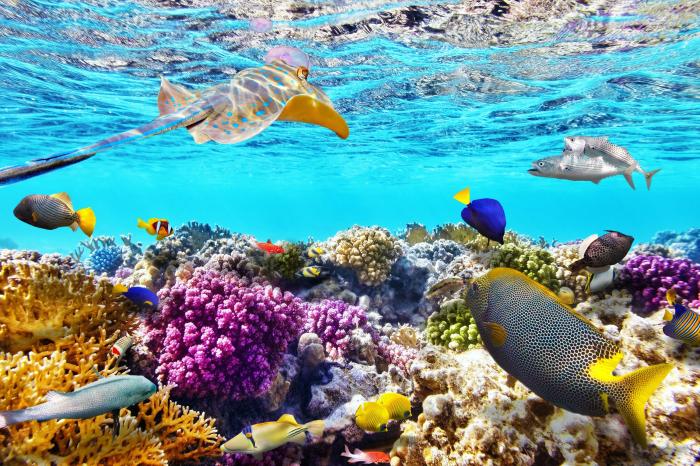
Scuba enthusiasts often debate which aquatic sanctuaries truly represent the best coral reefs for biodiversity and water clarity.
Source: wallpaperaccess.com
Navigating the azure expanse reveals a relentless pursuit among divers to locate the ultimate marine habitats where crystalline visibility meets staggering biological richness. Beneath the sunlit surface, passionate underwater explorers continuously exchange coordinates and field observations, seeking out those rare geographical pockets where aquatic life thrives in absolute pristine condition. These coveted liquid ecosystems serve as vital benchmarks for marine health, offering a mesmerizing glimpse into the complex dynamics of the underwater world.
The geological architecture defining these premier oceanic sanctuaries presents a breathtaking canvas of dramatic vertical relief. Descending along these massive submarine walls introduces the diver to awe-inspiring underwater topography characterized by sheer precipices and abyssal drop-offs that plunge vertically into the deep blue unknown. These towering limestone ramparts create dynamic hydrodynamic conditions where nutrient-rich upwellings collide with shallow reef flats.
Consequently, these structural marvels function as primary pelagic congregation zones, frequently attracting migratory giants such as manta rays, reef sharks, and schools of pelagic jacks that cruise effortlessly along the current-swept edges.
Submarine Topography and Pelagic Habitats
Examining the vertical dimensions of these barrier formations reveals an intricate network of ledges, caves, and overhangs forged over millennia by tectonic activity and fluctuating sea levels. As ocean currents sweep against these vertical walls, they generate localized eddies and nutrient pumps that sustain an extraordinary density of filter-feeding organisms. Divers navigating these dramatic drop-offs witness a striking transition from sun-drenched coral gardens to shadowy twilight zones where gorgonian sea fans and massive barrel sponges dominate the seascape.
This varied bathymetry provides essential shelter and hunting grounds for an immense cross-section of marine biodiversity, turning every descent into an encounter with a fully functioning, highly complex ecological machine.
The convergence of deep-water currents and shallow reef structures creates ideal staging areas for pelagic wildlife encounters. Marine biologists utilizing acoustic telemetry have documented numerous predatory species utilizing these steep architectural drop-offs as navigational highways. The interplay between light penetration, water temperature gradients, and relentless oceanic flow establishes a uniquely balanced environment where both sedentary reef dwellers and fast-swimming oceanic nomads coexist in remarkable harmony.
Naturalist Observations of Nocturnal Invertebrate Spawning
Witnessing the synchronized reproductive events of marine invertebrates after sunset remains one of the most profound privileges experienced by dedicated marine naturalists. Seasoned researchers stationed along remote reef systems frequently document these fleeting moments when entire colonies release gametes into the water column under the cover of darkness.
“The water column suddenly transformed into an inverted galaxy of glowing, particulate life; millions of coral polyps released their gametes in a silent, synchronized ballet dictated entirely by the lunar cycle and water temperature.”
This nocturnal phenomenon transforms the ordinary benthic landscape into a swirling blizzard of biological potential. Field naturalists observe how these mass spawning events provide a critical seasonal buffet for countless filter feeders, underscoring the delicate yet resilient timing embedded within the marine ecosystem.
Ecological Significance of Herbivorous Parrotfish in Benthic Maintenance
Maintaining the structural and functional integrity of coral reefs relies heavily on the tireless efforts of herbivorous marine species, particularly the parrotfish. These colorful denizens act as the primary gardeners of the reef, spending a significant portion of their waking hours relentlessly scraping algae from the calcium carbonate substrate. By consuming fast-growing macroalgae, parrotfish prevent these invasive plants from smothering slow-growing stony corals, thereby securing vital settlement space for new coral larvae.
This continuous browsing activity is crucial for preventing phase shifts from coral-dominant ecosystems to degraded, algae-dominated states.
Furthermore, the specialized dental structure of the parrotfish, fused into a beak-like plate, allows them to feed directly on dead coral matrix, grinding ingested material into fine white sand. A single large bumphead parrotfish can produce hundreds of pounds of sand annually, contributing significantly to the sedimentary dynamics of tropical lagoons. Beyond bioerosion and algae control, their grazing habits promote high species diversity by maintaining a mosaic of micro-habitats across the benthic zone.
When herbivorous populations remain robust and unexploited by overfishing, the entire reef exhibits enhanced resilience against climate stressors, disease outbreaks, and bleaching events. Consequently, protecting these vital grazers is synonymous with safeguarding the long-term survival of the planet’s most magnificent aquatic sanctuaries.
Methodologies for Mapping Secluded Atolls
Locating truly pristine atolls requires a sophisticated synthesis of modern geospatial technology and historical navigation archives to bypass heavily impacted commercial fishing zones. Researchers and conservationists employ specific reconnaissance strategies to chart these hidden oceanic gems, ensuring minimal human disturbance to fragile marine habitats.
- Satellite altimetry and multi-spectral imaging to detect subsurface coral structures and shallow lagoon boundaries in remote oceanic sectors.
- Synthetic Aperture Radar (SAR) monitoring to track commercial vessel traffic and identify unauthorized incursions into marine protected areas.
- Historical bathymetric survey analysis combined with oceanographic current modeling to pinpoint isolated reef systems blessed with exceptional water clarity.
- Expeditionary acoustic profiling utilizing vessel-mounted sonar to map uncharted reef perimeters and document deep-water shelf extensions.
Conservation biologists measure the resilience of the best coral reefs by monitoring juvenile recruitment rates and disease resistance.

Source: thetravelbible.com
Beneath the shimmering azure surface of the world’s most endangered marine ecosystems, dedicated scientists are working tirelessly to decode the survival blueprints of our planet’s oldest aquatic architects. Every single data point collected reveals a narrative of endurance, where microscopic larvae settling on sunlit seabeds symbolize the fragile yet fierce continuation of life against the mounting pressures of oceanic warming and acidification.
Modern ecological stewardship requires rigorous metrics to evaluate how these living fortresses withstand severe environmental stress. Researchers track the natural settlement of baby corals alongside immune responses to localized bleaching events, transforming raw ecological data into actionable protection strategies that secure a vibrant, enduring future for biodiversity hotspots worldwide.
Genetic adaptation strategies deployed by heat-tolerant staghorn colonies
Staghorn coral populations inhabiting shallow, thermally stressed waters have begun exhibiting remarkable physiological shifts that offer a glimmer of hope for global marine conservation. Understanding these evolutionary mechanisms provides critical insights into how certain colonies successfully endure prolonged marine heatwaves without succumbing to widespread mortality.
Shimmering emerald waters conceal the breathtaking architecture of the world’s best coral reefs, a fragile underwater metropolis teeming with vibrant marine life. Sharing these vital ocean discoveries requires structured outreach, easily achieved by organizing your field reports using a newsletter google doc template to keep conservation communities informed. Ultimately, protecting these radiant aquatic sanctuaries depends on our shared commitment to preserving their mesmerizing, fragile beauty.
- Upregulation of specific molecular chaperones, known as heat-shock proteins, which stabilize cellular structures and prevent protein denaturation during extreme thermal anomalies.
- Symbiont shuffling, wherein coral hosts selectively uptake more resilient clades of zooxanthellae that possess higher photosynthetic tolerance to elevated ultraviolet radiation and warm water temperatures.
- Epigenetic modifications that alter gene expression profiles across generations, effectively priming descendant polyps to tolerate chronic thermal stress from their earliest stages of development.
- Enhanced antioxidant production within epidermal tissues to neutralize reactive oxygen species generated by impaired photosynthetic processes during severe thermal bleaching events.
Deployment procedures for artificial reef structures designed to accelerate structural recovery in degraded zones
When natural reefs suffer catastrophic damage from severe storms or anchoring accidents, marine engineers and restoration specialists intervene by placing meticulously designed substrate foundations on the seafloor. These engineered frameworks act as immediate structural catalysts, halting substrate erosion and providing an optimal physical matrix for coral fragmentation grafting and natural larval settlement.
The successful installation of artificial reef modules requires precise environmental engineering, beginning with rigorous hydro-oceanographic surveys to map local current velocities and sedimentation patterns. Divers then meticulously prepare the sea floor by clearing loose rubble and securing heavy-duty stainless steel or mineral accretion frames using eco-friendly marine epoxies and mechanical anchors. Once the inert structures are firmly locked into place, coral nursery-grown colonies—specifically selected for rapid calcification rates—are carefully attached to the substrate using biodegradable cable ties, initiating an accelerated trajectory toward functional ecosystem recovery.
Impact of microplastic accumulation on filter-feeding organisms residing within sheltered lagoons
Within the calm, protected waters of shallow tropical lagoons, a silent hazard accumulates as microscopic plastic particles drift into the feeding appendages of delicate filter-feeding organisms. These semi-enclosed coastal bodies often act as natural sedimentation basins, trapping vast quantities of anthropogenic debris that slowly disintegrate into invisible polymer fragments. As manta rays, whale sharks, bivalves, and scleractinian corals filter thousands of liters of seawater daily to extract essential organic nutrients, they inadvertently ingest millions of synthetic microfibers and microbeads.
This pervasive contamination severely disrupts their internal digestive systems, physical development, and overall reproductive capacity, casting a heavy shadow over otherwise pristine marine sanctuaries.
The physiological consequences of persistent microplastic ingestion extend far beyond simple gastrointestinal blockage, triggering systemic inflammatory responses and chronic cellular damage. When filter feeders consume these synthetic particles, the plastics frequently leach toxic chemical additives such as phthalates and bisphenol A directly into the organism’s tissues, alongside acting as chemical sponges that absorb heavy metals and persistent organic pollutants from the surrounding seawater.
For foundational reef-builders, this toxic burden diminishes their energy reserves, severely compromising their ability to deposit calcium carbonate skeletons and respond to thermal stress. Real-world monitoring in heavily impacted regions like the Caribbean has demonstrated a direct correlation between high microplastic concentrations in lagoon sediments and a noticeable decline in the calcification rates of surrounding brain and staghorn corals.
Furthermore, the physical presence of microplastics in the water column alters the fundamental feeding behavior of zooplankton and juvenile fish, which mistakenly consume synthetic debris in place of nutrient-rich phytoplankton. This dietary dilution starves primary consumers of essential lipids and proteins, cascading upward through the entire marine food web and ultimately weakening the biological resilience of the broader reef ecosystem.
Conservation biologists utilizing advanced spectroscopic analysis have confirmed that these synthetic polymers persist within marine food chains for decades, continuously cycling through predatory interactions and sedimentation processes. Addressing this invisible crisis requires immediate global reductions in single-use plastics and the implementation of advanced wastewater filtration systems along vulnerable coastal developments.
Microplastic pollution acts as a chemical trojan horse, silently eroding the physiological foundations of marine life even within the most remote and protected tropical lagoons.
Comprehensive restoration metrics and monitoring protocols
Evaluating the true success of marine restoration initiatives requires standardized tracking frameworks that combine ecological indicators with financial and operational oversight. The following matrix Artikels the primary metrics utilized by leading marine research institutions to ensure accountability and long-term project viability across diverse global regions.
| Restoration Metric | Monitoring Frequency | Survival Percentage | Funding Source |
|---|---|---|---|
| Juvenile Recruitment Rates | Monthly during spawning seasons | 68% to 82% | Global Environmental Facility Grants |
| Thermal Stress Resistance | Bi-annually pre/post summer | 55% to 75% | Private Philanthropic Foundations |
| Structural Framework Integrity | Quarterly structural audits | 90% stability rate | Government Conservation Budgets |
| Microplastic Tissue Burden | Semi-annually via spectrometry | Varies by regional pollution | International Marine Research Institutes |
Underwater photographers seek out the best coral reefs where chromatic brilliance and macro life intersect beneath the surface.
Beneath the rolling waves of equatorial marine reserves, visual artists find a realm where sunlight bends through turquoise water to illuminate intricate ecosystems. This aquatic domain offers a striking interplay of light and shadow, drawing creators who aim to capture the dynamic beauty of marine life. Every frame tells a story of survival and adaptation, highlighting the delicate balance required to maintain these vibrant underwater habitats.
Light penetration in marine environments dictates the visibility and true color rendition of submerged landscapes. As solar radiation enters the water column, molecules selectively absorb specific wavelengths depending on their frequency and energy levels. Understanding this optical phenomenon is essential for capturing the authentic hues of aquatic ecosystems.
Diving into vibrant coral reefs reveals breathtaking underwater ecosystems glowing with azure light and bustling marine life. Modern dive operators increasingly streamline client transport by implementing a reliable limousine booking plugin wordpress free to elevate digital service standards. Ultimately, protecting these fragile aquatic sanctuaries ensures future generations continue experiencing earth most magnificent living oceanic treasures.
Optical physics of underwater light attenuation and color restoration
Water acts as a dense optical filter that progressively strips away the visible spectrum as depth increases. Longer wavelengths, such as reds and yellows, possess lower energy and are absorbed within the top ten meters of the water column. This attenuation leaves the underwater world dominated by monochromatic blue and green tones, muting the natural pigmentation of marine flora and fauna.
Vibrant coral reefs flourish beneath turquoise waves, showcasing a breathtaking underwater tapestry of glowing neon polyps and darting marine life. Just as marine biologists meticulously catalog these delicate ecosystems, developers now streamline digital workflows using clay external api documentation push data to table to organize vital metrics effortlessly. Ultimately, safeguarding these majestic aquatic sanctuaries inspires humanity to innovate and protect our planet’s most dazzling natural treasures.
Without artificial intervention, images captured at depth appear entirely devoid of warmth and vitality.
Artificial strobes counteract this natural filtration by emitting a high-intensity burst of broad-spectrum light that mimics surface sunlight. When these external flashes fire, photons travel through the water and strike the subject, reflecting the true, unfiltered colors back to the camera sensor. Professional photographers carefully position dual strobes off-axis to illuminate subjects without backscatter, which occurs when light reflects off suspended particulate matter in the water.
Shimmering coral reefs burst with vibrant marine life beneath turquoise waves, painting a breathtaking portrait of ocean resilience. Just as conservationists meticulously organize marine ecosystems, digital agencies streamline operations using seo client management software to elevate campaign performance. Ultimately, protecting these dazzling underwater sanctuaries inspires our collective commitment to preserve nature’s most stunning aquatic masterpieces for future generations.
Mastering this technique bridges the gap between scientific optical principles and breathtaking visual art.
Ethical buoyancy control techniques for reef preservation, Best coral reefs
Preserving the structural integrity of fragile marine environments requires rigorous discipline in personal weight distribution and breath control. Photographers often find themselves maneuvering in tight spaces near fragile structures, making precise physical control paramount. Maintaining neutral buoyancy allows creators to hover effortlessly without resting fins on living coral colonies or stirring up sediment that can smother polyps.
Divers achieve this stability by fine-tuning their breathing patterns, using small lung volumes to make minor vertical adjustments rather than constantly inflating or deflating the buoyancy compensator device. The following practices are universally adopted by responsible underwater image-makers to safeguard delicate gorgonian sea fans:
- Securing all dangling gauges, octopus regulators, and console hoses close to the body to prevent accidental entanglement with branching corals.
- Maintaining a safe minimum distance of one meter from vertical walls and gorgonian sea fans to account for unexpected surge currents.
- Utilizing a macro tracking technique where the diver establishes a stable two-finger prop against barren rock substrate instead of touching living organisms.
- Approaching subjects slowly from a downward angle to observe local water movement before positioning photographic gear.
Camouflage mechanisms utilized by cephalopods in complex reef matrices
Cephalopods, including octopuses, cuttlefish, and reef squid, represent the pinnacle of adaptive disguise within structurally complex coral environments. These marine organisms possess a sophisticated integumentary system containing millions of specialized skin cells known as chromatophores, iridophores, and leucophores. Chromatophores are tiny elastic sacs filled with red, yellow, brown, or black pigments that expand or contract rapidly under direct neurological control.
Beneath these pigmented layers, iridophores reflect and scatter ambient light using stacked protein plates, while leucophores scatter broad-spectrum light to create stark white accents. This multilayered biological display allows cephalopods to instantaneously shift their coloration, tone, and contrast to match intricate coral polyps, sponges, and rocky crevices.
Beyond static color matching, these masters of deception manipulate their muscular hydrostats to alter skin texture, transforming smooth skin into bumpy papillae that mimic rough coral surfaces. When inhabiting the chaotic architecture of a thriving reef matrix, a common octopus can replicate the visual appearance of brain coral or branching staghorn with astonishing precision. This dynamic camouflage serves a dual evolutionary purpose, allowing the predator to ambush unsuspecting crustaceans while evading apex predators such as reef sharks and groupers.
Documenting these subtle transformations requires immense patience and an understanding of cephalopod behavioral cues, as the animal often displays slight rhythmic pulsing before executing a complete camouflage shift. Scientific monitoring in regions like the Indo-Pacific has demonstrated that cuttlefish rely heavily on polarized light reflection not only for stealth within the reef matrix but also for silent communication with potential mates amidst the dazzling backdrop of the aquatic sanctuary.
Drifting alongside vertical wall drop-offs at dawn offers a profound, meditative silence where time seems to suspend itself. Suspended in the blue expanse, suspended animation takes hold as the first golden rays of sunlight pierce the abyss, casting ethereal beams across ancient gorgonian forests and awakening the reef’s nocturnal guardians.
Indigenous coastal communities preserve ancient traditions that safeguard the ecological balance of the best coral reefs in Oceania

Source: esa.int
Across the vast expanse of Oceania, the fate of the most flourishing marine ecosystems is deeply intertwined with the ancestral wisdom of indigenous coastal custodians. These communities have long recognized that human survival depends entirely on the health of the surrounding waters, fostering a profound stewardship ethic that predates modern conservation science. Through a seamless blend of spiritual reverence and pragmatic observation, generations of islanders have maintained a delicate equilibrium between resource utilization and marine protection, ensuring these vibrant aquatic habitats continue to thrive against global environmental pressures.
Modern ecological assessments increasingly validate what indigenous elders have known for centuries: traditional management frameworks offer some of the most effective defenses against coral degradation. By treating the ocean not merely as an economic resource, but as a living relative and a shared home, these populations implement rigorous social protocols that naturally regulate fishing pressure and habitat disturbance. The resulting ecological resilience is visible in the vibrant coral cover and abundant fish populations that characterize these protected regional waters.
Community Based Marine Tenure Systems
To fully comprehend how these marine ecosystems maintain their remarkable vitality, one must examine the intricate social structures that govern access to coastal waters. Customary marine tenure systems grant specific clans or villages stewardship over designated sea tracts, empowering local leaders to enforce strict behavioral codes and ecological boundaries.
- Customary leaders enforce temporal closures, legally and socially barring all fishing activities across designated reef zones during critical fish spawning aggregations to allow species replenishment.
- Traditional resource guardians deploy surveillance protocols from shore and outrigger canoes, actively monitoring unauthorized incursions into ritually protected sanctuary areas.
- Village councils utilize customary penalties, ranging from social censure to restitution feasts, for individuals who violate seasonal harvesting restrictions on vulnerable species.
- Inter-generational knowledge exchanges ensure that younger fishers understand the precise lunar cycles and water temperature shifts that dictate when marine life is most susceptible to over-harvesting.
Oral Histories Connecting Ancestral Navigation Waypoints to Submerged Reef Formations
Beneath the turquoise surface lies a living library of cultural geography, mapped meticulously through centuries of oral tradition. Ancient wayfinders did not rely on modern cartography; instead, they memorized complex networks of ocean swells, bird migration paths, and submerged coral architectures. These oral histories serve as living navigational charts, encoding vital ecological data within epic chants and genealogies. When elders speak of specific reef formations, they describe them as monumental landmarks that anchor both their canoes and their cultural identity.
These submerged structures are personified in local folklore as guardians of the sea lanes, creating a powerful psychological deterrent against reckless exploitation. A coral head described in a creation chant as a resting place for ancestral spirits commands immediate respect and careful navigation, preventing anchor damage and destructive contact. This intimate mapping technique connects the human experience directly to the biological topography of the reef, ensuring that every shift in coral health is noticed, discussed, and integrated into communal memory.
Socioeconomic Transition from Destructive Fishing Practices to Sustainable Ecotourism
The contemporary economic landscape of Oceania presents complex challenges as coastal communities navigate the delicate transition from subsistence and destructive commercial fishing toward sustainable ecotourism models. For generations, rising populations and shifting global markets tempted some coastal villages toward practices like dynamite fishing and cyanide stunning, methods that yield immediate financial returns but pulverize centuries of coral growth in seconds.
Recognizing the catastrophic trajectory of these methods, visionary local leaders have spearheaded comprehensive economic overhauls, pivoting their livelihoods toward low-impact marine tourism, scientific research hosting, and community-led conservation enterprises.
This socioeconomic evolution requires careful balancing acts to ensure that financial benefits directly reach the grassroots level rather than being siphoned off by external operators. Communities in regions such as Fiji and the Solomon Islands have successfully established locally managed marine areas where former fishers now serve as expert dive guides, skippers, and marine park rangers. By leveraging their unparalleled traditional knowledge of local marine behavior, these former resource extractors become the most passionate advocates for reef preservation.
Tourists are guided through pristine reef gardens while receiving education on indigenous conservation ethics, creating a profound cultural exchange that generates sustainable revenue.
Furthermore, this financial diversification acts as a powerful buffer against global economic shocks and climate-induced agricultural failures. When coral reefs are protected and allowed to flourish, they attract high-value tourism markets that value authenticity, ecological integrity, and cultural respect. The transition fosters immense pride among younger generations, who see a viable, dignified future in protecting their ancestral waters rather than exploiting them to exhaustion.
Case studies from the Pacific demonstrate that villages participating in community-based ecotourism initiatives experience measurable improvements in household incomes alongside dramatic recoveries in local fish biomass and coral health indicators.
Sustainable marine stewardship is not merely a modern environmental strategy, but an enduring cultural inheritance that secures the future of both ocean ecosystems and coastal societies.
The following structured overview Artikels the integration of traditional governance frameworks with contemporary conservation methodologies across Oceania’s protected marine environments:
| Traditional Management Practices | Modern Enforcement Methods | Community Involvement Levels | Biodiversity Outcomes |
|---|---|---|---|
| Tabu areas and seasonal spawning bans | GPS patrols and community ranger networks | High, driven by village consensus | Significant increase in herbivorous fish biomass |
| Ancestral reef naming and restricted access | Legal recognition of customary marine tenure | Total, encompassing all generational strata | Enhanced resilience against coral bleaching events |
| Selective harvesting based on lunar calendars | Scientific monitoring and catch-share limits | Moderate to High through co-management boards | Stable populations of endangered invertebrate species |
| Spirit-based sanctuaries protecting apex predators | Ecotourism zoning and vessel speed limits | Full participation in tourism cooperatives | Thriving shark and ray populations indicating apex health |
Conclusion

Source: bluewaterdivetravel.com
Ultimately, preserving these magnificent aquatic realms requires a harmonious bridge between ancestral wisdom and modern conservation science. As dedicated researchers, indigenous custodians, and mindful travelers unite to safeguard these fragile underwater sanctuaries, we ignite a powerful beacon of hope, ensuring that these vibrant marine ecosystems continue to thrive and inspire generations to come.
