What to expect at a 3-star Michelin fine dining restaurant unfolds as a remarkable journey where culinary art meets absolute perfection. Stepping across the threshold into a velvet-draped vestibule instantly alters the rhythm of the evening, shielding guests from the rushing city streets and welcoming them into a hushed sanctuary of pure gastronomy. Behind the swinging kitchen doors, a meticulous orchestration of sights, sounds, and silent communications begins, setting the stage for an unforgettable night.
Every single detail, from the ambient acoustics to the flawless tablescape presentation, is designed to elevate eating into a true theatrical performance. Elite service professionals move with graceful precision, reading subtle body language and anticipating every need before it is even spoken. Behind this seamless exterior lies a relentless economic and emotional dedication, where teams of skilled artisans pour their hearts into crafting a dining experience unlike any other.
Anticipating the sensory choreography of a multi-course gastronomic journey requires understanding the meticulous orchestration happening behind the swing doors.
Stepping across the threshold of a three-star Michelin establishment is not merely entering a dining room; it is crossing a psychological portal where the frantic pulse of the modern world abruptly dissolves into an atmosphere of deliberate, suspended time. The transition from the bustling, chaotic city street into a hushed, velvet-draped vestibule triggers a profound cognitive shift in the guest, acting as a sensory reset button.
Exterior noises fade instantly, absorbed by thick acoustic textiles and heavy architectural drapery, while the ambient lighting intentionally mimics the warm, golden hour of dusk, signaling to the brain that the stresses of daily life are officially locked outside. This calculated architectural and atmospheric decompression forces a psychological recalibration, allowing the diner to shed their outer armor of urgency and adopt a state of hyper-receptive mindfulness.
Stepping into a three-star Michelin sanctuary unveils immaculate tables and orchestrated culinary precision where every single bite tells a profound story of artistry. Mastering your restaurant marketing budget requires absolute clarity, much like utilizing a precise Meta Ads cost per chat tracking spreadsheet template to drive meaningful growth. Ultimately, this dedication to absolute perfection guarantees an unforgettable evening of sensory awakening.
As the heavy doors glide shut behind you, the nervous system surrenders to the sanctuary of the interior, where every visual cue—from the polished mahogany surfaces to the discreet whisper of footsteps on deep-pile carpets—communicates an unwavering promise of absolute safety, privacy, and indulgence. In this cocoon of refined luxury, the mind pivots away from external anxieties and tunes itself to the micro-frequencies of the impending culinary performance, priming the palate and the psyche for an evening where time stretches and every minute detail is elevated to an art form.
Behind the swinging kitchen doors lies a silent, militaristic ballet of culinary precision that directly fuels the ethereal calm experienced in the dining room. While guests sip their initial vintage in tranquil bliss, an army of twenty to thirty chefs operates in absolute, choreographed synchronization, communicating through subtle nods, sharp wrist movements, and whispered acknowledgments rather than shouts. This invisible machinery operates on a strict timeline measured in seconds, ensuring that proteins are seared to exact molecular tolerances and sauces achieve mirror-like gloss just as a server reaches the pass.
The psychological comfort felt at the table is the direct byproduct of this high-stakes backstage discipline, creating a stark contrast between the roaring heat of the brigade and the serene elegance presented to the diner.
Stepping into a three-star Michelin sanctuary unveils immaculate white linens, whispered service, and edible art crafted with absolute precision. Just as every exquisite culinary detail captivates guests, deploying High converting landing page templates for lead generation secures digital success by capturing attention seamlessly. Ultimately, this unforgettable gastronomic journey concludes with harmonious flavors lingering gently on your palate.
Comparative Analysis of Dining Pacing and Timelines
Understanding the fundamental differences in operational philosophy requires examining how time, attention, and human capital are distributed across various tiers of the hospitality industry. The table below Artikels the structural contrasts between standard casual dining environments and the hyper-curated timelines of ultra-luxury establishments.
| Stage | Casual Dining Duration | Ultra-Luxury Duration | Staff Involvement | Guest Focus |
|---|---|---|---|---|
| Arrival and Seating | 2 to 5 minutes | 10 to 15 minutes | Host, Lead Server | Decompression and coat check |
| Appetizer Phase | 10 to 15 minutes | 30 to 45 minutes | Sommelier, Front Waiter | Palate priming and wine pairing |
| Main Course Execution | 15 to 25 minutes | 45 to 60 minutes | Captain, Commis, Chef de Partie | Sensory immersion and storytelling |
| Conclusion and Departure | 5 to 10 minutes | 20 to 30 minutes | Maître d’, Executive Chef | Reflection and parting gifts |
Hierarchical Dynamics of the Floor Brigade
The synchronization of the dining room relies on a feudal yet flawless hierarchy where every movement is premeditated and silent communication dictates the rhythm of the entire evening. A veteran Maître d’hôtel often compares the dining room to a symphony orchestra, where the captain acts as the first violin, reading the emotional temperature of each table while simultaneously conducting the service brigade through micro-gestures.
A slight dip of the chin toward a busser means water glasses need immediate attention, while a raised eyebrow to the sommelier signals that a course is nearing its end and the next wine pour must be initiated without verbal prompts. This silent language eliminates friction, ensuring that service is felt rather than heard, enveloping the guest in a seamless blanket of attentive hospitality.
True luxury in fine dining is never loud or intrusive; it is felt as an invisible wind that propels your evening forward without you ever noticing the sails being adjusted.
Reading the subtle body language of guests is an intuitive science mastered only through decades of refined observation on the floor. Legendary Maîtres d’hôtel across European and American temples of gastronomy frequently recall moments when a crossed ankle, a slight lean away from the table, or the specific way a guest holds their cutlery told a story of fatigue, romantic tension, or sheer culinary ecstasy long before a single word was spoken.
By adjusting the pacing of the meal—slowing down the presentation of courses for a couple deeply engrossed in conversation, or quickening the tempo for business executives on a strict schedule—the floor team crafts a bespoke narrative for every single reservation, proving that the true heart of three-star hospitality lies in emotional intelligence.
Decoding the enigmatic nomenclature printed on the embossed parchment menu reveals a philosophical manifesto rather than a simple list of dishes.

Source: thefinediningjournal.com
Opening the heavy, textured paper handed down by the maître d’ feels less like reviewing a dinner selection and more like deciphering a modernist poetry collection. Each phrase is deliberately cryptic, substituting ordinary culinary terminology with evocative metaphors that hint at memories, seasons, and abstract concepts. This linguistic restraint shifts the diner’s mindset from passive consumption to active intellectual participation, demanding that every guest decode the narrative before the first bite even touches the palate.
Behind these poetic titles lies an obsessive, relentless pursuit of raw materials that borders on the anthropological. Head chefs and their dedicated foragers routinely embark on perilous alpine expeditions at dawn, scaling mist-shrouded limestone cliffs in the Swiss Alps to harvest rare, frost-kissed gentian roots and wild mountain thyme. Simultaneously, trusted maritime divers plunge into the icy, churning depths of the North Atlantic to procure ethically harvested sea urchins and hand-dived scallops.
Stepping into a three-star Michelin dining room reveals choreographed culinary perfection where every plated masterpiece tells a profound story of passion. Just as meticulous hospitality nurtures unforgettable guest connections, mastering client relations requires precision; utilizing Automated client follow up email sequence templates ensures your business communications remain consistently engaging. Ultimately, this dedication to excellence delivers an extraordinary sensory journey that lingers long after the final exquisite bite.
Every single component brought into the immaculate kitchen carries a verifiable lineage of sustainable harvesting, honoring the delicate balance of the ecosystems that provide them.
Avant-garde culinary techniques and sculptural transformations
Modernist gastronomy acts as a bridge between uncompromising science and visual art, breathing new life into the most unassuming ingredients found in the soil. Humble root vegetables, historically relegated to the bottom of the pantry or simmered down into simple winter stews, undergo radical physical and chemical transmutations. Through precise enzymatic modification, low-temperature dehydration, and vacuum-infusion, a standard celeriac or heirloom carrot is reshaped into an architectural masterpiece that defies traditional expectations of shape and texture.
When this sculptural root vegetable is finally presented under the glow of a warm spotlight, it completely upends visual perception. Diners frequently mistake the glistening, translucent layers for delicate blown glass or carved alabaster, only to discover an intense, concentrated explosion of earthy sweetness upon tasting. This deliberate visual deception challenges our ingrained biases about status and value in food, proving that brilliance originates from imagination rather than the inherent cost of the ingredient.
True culinary innovation does not merely alter the flavor of a harvest; it fundamentally rewrites our psychological relationship with the earth’s simplest offerings.
To fully appreciate the precision required to execute these modernist visions, one must examine the intersection of science, sourcing, and sensory engineering across the multi-course progression. The matrix below Artikels the meticulous parameters governing several signature dishes currently defining the pinnacle of contemporary fine dining.
| Sensory Descriptors | Ingredient Provenance | Temperature Contrasts | Plating Geometry |
|---|---|---|---|
| Smoky, saline, ethereal crunch | Wild-caught langoustine from the Faroe Islands | Vaporous ambient heat meeting chilled citrus gel | Asymmetrical spiral mimicking a Fibonacci sequence |
| Earthy, umami-rich, velvety softness | Bio-dynamic celeriac from Loire Valley, France | Deep subterranean warmth with a frozen pine foam | Monolithic rectangular block with vertical striations |
| Acidic, effervescent, floral brightness | High-altitude alpine verbena and wild alpine strawberries | Sub-zero nitrogen crystallization over room-temp coulis | Concentric circles radiating outward on a slate disk |
| Mineral-heavy, buttery, briny depth | Diver-harvested sea urchin from Hokkaido, Japan | Gentle tepid emulsion cradled in a chilled shell | Precise linear alignment following the natural shell ribs |
The sensory awakening reaches a dramatic crescendo as the brigade transitions from silent preparation to the theatrical delivery of the evening’s signature oceanic course. As the silver cloche is lifted, an aromatic fog immediately envelops the table, carrying a complex profile of smoldering cherrywood smoke, sharp sea spray, and toasted macadamia nut oil. This immediate olfactory immersion bypasses rational thought, instantly transporting the diner to a windswept Nordic shoreline before a single fork has been lifted.
Navigating the labyrinthine cellar demands an appreciation for vinicultural history and the symbiotic marriage between obscure vintages and precise molecular gastronomy.
Descending into the subterranean archives of a world-class culinary sanctuary reveals a silent, temperature-controlled vault where centuries of viticultural heritage rest horizontally in custom limestone cradles. This architectural marvel operates as both a historical museum and a dynamic laboratory, housing rare allocations that require an encyclopedic understanding of geography, climate anomalies, and chemical aging processes. When these ancient bottles meet the avant-garde creations emerging from the pass, the dining experience transcends simple consumption, evolving into a masterclass in flavor architecture where high-altitude acidity counters unctuous foams, and mineral-driven terroir cuts through complex molecular textures.
The dining room conversation often shifts into a delicate psychological waltz when patrons must navigate the silent tension between their own familiar palate preferences and the bold, sometimes eccentric recommendations of the master sommelier. Guests frequently experience a subtle performance anxiety when confronted with high-stakes pairings, balancing the desire for personal comfort against the absolute trust placed in the sommelier’s prophetic intuition.
This negotiation is rarely about mere salesmanship; rather, it is an immersive psychological calibration where the wine professional gently dismantles preconceived notions. By decoding the guest’s subtle verbal cues and emotional reactions to the opening course, the sommelier constructs a bespoke vinous narrative that bridges the gap between the diner’s comfort zone and the restaurant’s most daring, obscure cellar acquisitions, ultimately transforming apprehension into a revelation of taste.
The Thermal Calibration of Fragile and Robust Vintages
Achieving the optimal thermal equilibrium across wildly divergent wine profiles requires a militaristic approach to cellar management, utilizing zoned refrigeration units that respect the delicate physiology of each bottle. The following structured hierarchy Artikels the rigorous temperature profiling mandated for service:
- Fragile biodynamic Burgundies demand hyper-sensitive thermal handling, resting strictly between 13 to 15 degrees Celsius to preserve volatile floral esters and prevent premature oxidation of unmanipulated fruit.
- Mid-weight structured reds like Northern Rhone Syrah are maintained at a stable 16 degrees Celsius, ensuring the suppression of aggressive alcohol burn while accentuating savory, earthy undertones.
- Robust vintage Ports require a slightly elevated basement storage profile near 18 degrees Celsius to soften heavy residual sugars and allow dense, aged tannins to integrate harmoniously before hitting the decanter.
To guarantee absolute authenticity when sourcing century-old estate bottles from legendary European producers, elite dining establishments deploy sophisticated provenance tracking systems that combine forensic science with immutable digital ledgers. Chief among these technological safeguards is the utilization of Near Field Communication (NFC) chips embedded in the capsule by estates like Château Margaux, paired with high-resolution ultraviolet ink analysis that detects modern bottling anomalies.
Furthermore, master sommeliers cross-reference cork porosity, Ullage levels measured against historical baselines, and micro-etchings on the glass punt. This multi-layered verification protocol ensures that every legendary liquid poured into the crystal stemware is a genuine artifact of its vintage rather than a sophisticated counterfeit.
The geometry of the vessel dictates the destiny of the liquid, channeling acidity and tannin with architectural precision across distinct regions of the human palate.
Once verified and thermally calibrated, the wine encounters the final scientific variable: the precise geometry of the glassware. Heavy-bodied reds undergo a radical transformation depending on whether they are served in a broad, tulip-shaped bowl or a tapered aperture. A wider bowl exposes a massive surface area of the wine to ambient oxygen, softening aggressive tannins through rapid aeration while concentrating volatile aromatics toward the nose.
Conversely, the specific inward curve of the rim directs the heavy, fruit-forward components directly to the tip of the tongue, balancing the perception of residual sugar against the drying astringency of dense polyphenols, thereby completing the sensory choreography between plate and glass.
Interpreting the subtle etiquette cues practiced by elite service professionals ensures an unpretentious and harmonious interaction throughout the evening.
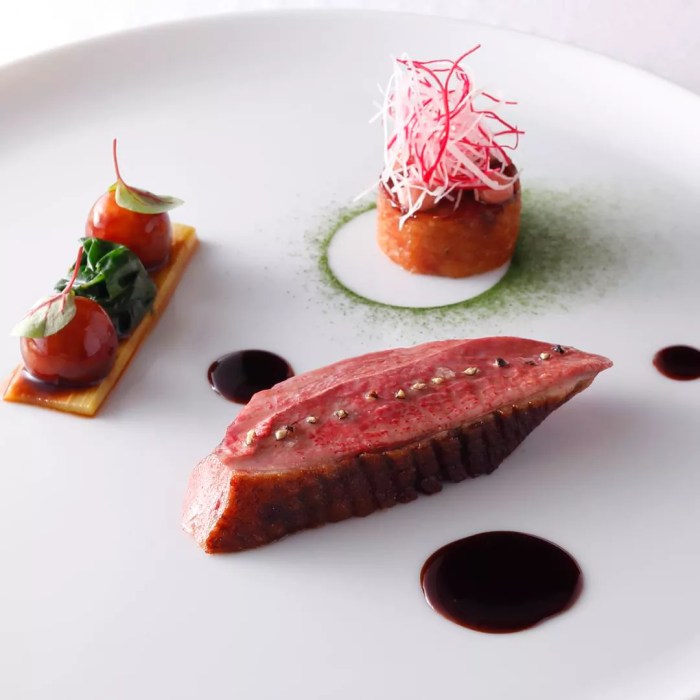
Source: luxtionary.com
Stepping into the rarefied atmosphere of a three-star Michelin dining room reveals an ecosystem where hospitality is elevated to a silent, highly synchronized performance. Every movement executed by the floor team is calibrated to eliminate friction, transforming a standard meal into an intuitive, seamless experience. Understanding the nuanced choreography of the dining room allows guests to fully relax, trusting that their needs are anticipated before they are even articulated aloud.
The hallmark of elite service is the absolute absence of awkwardness. Guests frequently worry about committing social infractions in environments rich with culinary pedigree, yet the true objective of world-class front-of-house teams is to make the sophisticated feel entirely natural. By mastering the delicate balance between attentiveness and invisibility, servers create a sanctuary of comfort where the focus remains strictly on the artistry on the plate and the company at the table.
The Invisible Architecture of Napkin Replacement Protocols
One of the most striking demonstrations of floor-staff omniscience occurs during the brief moments a guest stands to visit the restroom or take a phone call. Within seconds of an individual vacating their seat, an attentive back-waiter materializes with synchronized grace to address the abandoned linen. This invisible architecture of service relies on constant peripheral awareness and rigorous split-second timing to maintain the immaculate presentation of the table setting.
Rather than drawing attention to the action, the service professional approaches from the blind spot, gently retrieving the used napkin and replacing it with a fresh, crisply folded counterpart. This ritual serves a dual purpose: it signals to the guest that the establishment values absolute pristine standards, and it resets the emotional landscape of the dining space for when the guest returns.
It requires a delicate tactile touch to fold and position the linen without disturbing the adjacent glassware or silver alignment.
To fully grasp the operational precision required for this maneuver, consider the following breakdown of execution steps:
- Observation phase where the back-waiter notes the exact moment weight is lifted from the dining chair.
- Approach phase utilizing silent, measured footsteps to arrive at the table within a thirty-second window.
- Retrieval phase involving a discreet lifting of the used napkin by its center point to conceal any potential surface contact.
- Placement phase featuring the deployment of a freshly pressed linen folded into an understated geometric form adjacent to the water goblet.
True luxury is never loud; it whispers through flawless execution and the complete elimination of friction.
Protocol Errors and Service Recovery Matrix
Even within the upper echelons of global gastronomy, human elements occasionally introduce friction into an otherwise flawless choreography. Recognizing these deviations instantly allows management to execute immediate recovery strategies that often turn a potential service lapse into a memorable testament to hospitality. The following matrix Artikels common protocol mistakes, their psychological impact on the diner, and the standardized metrics used to train elite floor teams.
| Protocol Mistake | Guest Perception | Immediate Recovery Methods | Staff Training Metrics |
|---|---|---|---|
| Premature plate clearing while a companion is still eating | Rushed, anxious, undervalued | Server apologizes subtly, replaces plate if necessary, and extends course timing | Zero-tolerance drill; 100 percent visual confirmation across adjacent covers |
| Incorrect wine pairing temperature or vintage | Disappointed, skeptical of expertise | Sommelier steps in immediately, decants replacement vintage, offers complimentary reserve taste | Mandatory blind tasting benchmarks and thermal gun calibration checks |
| Overlooking a newly disclosed severe dietary allergy | Unsafe, deeply distressed | Executive chef takes personal control, expedites a bespoke replacement course, manages table communication | Immediate kitchen-wide halt protocol, dual-signoff allergy verification checklists |
| Delayed course pacing causing prolonged gaps | Forgotten, frustrated by schedule | Maître d’ offers an amuse-bouche pairing or rare vintage pour to bridge the culinary interlude | Kitchen-to-floor communication latency under fifteen seconds |
The Silent Language of Cutlery Placement
Long before spoken language transmits feedback to the culinary team, the physical orientation of silverware communicates precise evaluations of every course. Elite service staff are rigorously trained to read these angles like a musical score, determining instantly whether a guest wishes to pause, desires the next course, or is profoundly satisfied with the finished plate. This non-verbal lexicon prevents interruptions during intimate conversations while ensuring the kitchen pacing remains perfectly synchronized.
Placing the knife and fork parallel across the center of the plate at the ten-and-four o’clock position signals to the observant back-waiter that the diner has finished the portion and the vessel is ready for removal. Conversely, resting the utensils with the tips touching and the handles angled outward in an inverted ‘V’ formation informs the team that the guest is merely resting between bites and the plate must remain untouched.
Mastery of this visual vernacular allows the dining room to operate with the fluid grace of a silent film, where actions speak with absolute clarity.
Mid-Service Dietary Adaptation and Crisis Management
Navigating sudden dietary restrictions or newly disclosed severe allergies mid-service tests the absolute limits of a restaurant’s operational resilience. When a guest casually mentions an unforeseen aversion or anaphylactic trigger after the third course of a grand tasting menu, panic is never an option. Instead, the floor captain activates an immediate, highly discreet crisis management protocol that safeguards both the guest’s health and the delicate ambiance of the surrounding room.
Real-life case studies from three-star establishments in Paris and Tokyo demonstrate that the transition requires instant radio communication between the floor captain and the expediting chef. The kitchen halts the preparation of the compromised dish for that specific cover, while the sommelier seamlessly steps in to distract the table with an unexpected tableside pour of rare champagne or an engaging narrative regarding the provenance of the wine cellar.
Within minutes, a bespoke, allergen-free creation emerges from the kitchen, mirroring the visual complexity and flavor profile of the original menu item, ensuring the guest never feels like an operational burden.
Experiencing the architectural brilliance of tableside tablescapes elevates the presentation from mere consumption to theatrical performance art.: What To Expect At A 3-star Michelin Fine Dining Restaurant

Source: britishpidya.com
Transforming a meal into an immersive spectacle relies on the meticulous construction of tableside environments where design meets culinary mastery. Every element resting upon the linen is purposefully positioned to engage the human senses before a single flavor touches the palate.
The dining room operates as a grand stage where precision and artistry merge to redefine modern gastronomy. When the focal point shifts entirely to the tabletop, diners witness an intentional convergence of engineering, aesthetic design, and culinary discipline that transcends everyday dining.
Choreographed Synchronicity in Silver Cloche Presentation, What to expect at a 3-star Michelin fine dining restaurant
The atmosphere in the grand dining room shifts instantaneously as a brigade of servers approaches the table with measured, deliberate strides. Holding gleaming, weighted silver cloches suspended inches above the porcelain plates, the team awaits the silent cue from the captain. In a breathtaking moment of kinetic choreography, the domes are lifted in absolute, synchronized unison, releasing a concentrated plume of aromatic vapor that tells the immediate story of the dish.
Stepping into a three-star Michelin dining room reveals immaculate white linens and meticulously choreographed service, much like discovering Top Hootsuite alternatives for small business social media to streamline your brand presence. Each flawlessly plated culinary masterpiece arrives as a vibrant testament to uncompromising ambition, inspiring guests to savor every breathtaking, meticulously crafted bite of pure gastronomic artistry.
This calculated motion demands years of rigorous spatial training, ensuring that the heavy silver vessels clear delicate crystalware while revealing the intricate plating simultaneously to every guest at the table. The sheer physical coordination requires athletes’ precision, turning a routine serving gesture into an unforgettable theatrical crescendo.
Theatrical Plating Tools and Ergonomic Equipment Specifications
Executing high-level tableside service requires specialized equipment engineered to balance dramatic visual impact with functional efficiency for the culinary team. The following overview Artikels the primary implements utilized in elite dining rooms to achieve seamless execution.
| Theatrical Plating Tools | Thermal Retention Properties | Visual Impact Scores | Ergonomic Considerations for Staff |
|---|---|---|---|
| Hand-Forged Silver Cloches | Maintains internal ambient heat up to 85°C for ten minutes | 9.8 / 10 | Balanced weight distribution utilizing wrist-locking handles to reduce strain during extended holds |
| Liquid Nitrogen Cryo-Pitchers | Withstands extreme cryogenic temperatures down to -196°C safely | 10 / 10 | Double-walled insulated grip casing to protect server hands from frostbite and condensation slips |
| Precision Titanium Tweezers | Neutral thermal transfer; prevents heat bleeding into delicate micro-garnishes | 8.5 / 10 | Spring-tension calibrated resistance to prevent finger fatigue during repetitive micro-placement |
| Bespoke Glass Infusion Domes | Traps wood-smoke and botanical aromatics without warping under moderate heat | 9.9 / 10 | Reinforced rim geometry and shatter-resistant polymer-glass composite for safe transit |
Vivid Chromatic Palettes and Textures of Rare Edible Flora
Plating elevation heavily depends on rare botanical elements cultivated in hyper-controlled greenhouse environments to deliver striking visual contrasts. Diners encounter a mesmerizing array of colors and textures that mimic natural forest floors or coastal ecosystems.
- Amethyst-hued oxalis leaves offer a sharp, citrus-forward bite alongside a delicate, translucent veining pattern that catches ambient candlelight.
- Golden star-flower petals present a brilliant marigold luminescence coupled with a velvety, tactile surface texture that adds organic dimension to smooth reductions.
- Cryo-shattered sea succulents display vibrant jade and turquoise gradients, offering a crisp, saline crunch that shatters gently between the teeth.
- Variegated bronze fennel fronds introduce feathery, cloud-like dimensions with deep amber undertones, swaying subtly under the rising steam of warm consommés.
Acoustic Engineering in Grand Dining Salons
Architectural design within three-star establishments functions as an invisible instrument, tuning the physical environment to achieve a delicate balance between vibrant social energy and intimate acoustic privacy.
The high-ceilinged salons of elite dining rooms are masterpieces of acoustic engineering, specifically constructed to eliminate jarring ambient noise. Plaster ceilings are embedded with micro-perforated acoustic baffling hidden beneath classical moldings, absorbing the sharp clatter of silverware against porcelain before it can echo through the space. Simultaneously, heavy velvet drapery and custom acoustic wall panels trap high-frequency vibrations, allowing intimate table conversations to float effortlessly without carrying across the room.
This sophisticated sound management creates a cocoon of quiet luxury, ensuring that the physical drama of the tableside presentation remains the focal point of the auditory experience.
Recognizing the profound economic and emotional investment behind maintaining three elite stars illuminates the relentless pursuit of perfection.

Source: parisluxuryexperience.com
Behind the glittering facade of elite gastronomic temples lies a relentless, high-stakes ecosystem where extraordinary financial stakes meet an unyielding psychological burden. Securing and defending the ultimate culinary accolade demands an uncompromising commitment that transcends mere cooking, evolving into a total way of life for the entire brigade. Every single service operates under the invisible, heavy shadow of anonymous inspectors whose secretive judgments carry the weight of professional life or death, driving kitchens to hyper-vigilant extremes.
This uncompromising quest for absolute flawlessness transforms daily routines into high-pressure theatrical productions, where the margin for error is non-existent and the cost of maintaining perfection is staggering on every conceivable level.
The mental landscape of a three-star kitchen is defined by an acute, chronic tension that ripples through the brigade from the executive chef down to the youngest stagiaire. The perpetual fear of the clandestine inspector lurking in the dining room creates a psychological pressure cooker, subtly warping daily creative output into defensive perfectionism. While this intense environment breeds unprecedented culinary brilliance, it simultaneously exacts a heavy emotional toll, leading to severe burnout, acute anxiety, and an atmosphere where a single misplaced drop of sauce can feel like a catastrophic failure.
Morale often balances on a razor-thin edge, sustained only by a shared, almost monastic devotion to the craft and the collective trauma-bonding of surviving relentless service cycles.
Chronological Architecture of Morning Culinary Preparation
The meticulous foundation of a world-class dining experience is forged hours before the first guest crosses the threshold, during intensely focused morning preparation rituals. This structured timeline dictates the transformation of raw luxury into ethereal bites through uncompromising physical labor and obsessive attention to detail.
- At six o’clock in the morning, the kitchen receives the daily bounty of hyper-local produce, wild-caught seafood, and rare botanical forage, immediately subjected to rigorous quality auditing by senior sous-chefs.
- By eight o’clock, twenty specialized line cooks and sous-chefs station themselves at stainless steel prep tables, dividing into dedicated brigades for butchery, stock reduction, and pastry refinement.
- During the late morning hours, painstaking micro-tasks commence, such as carving root vegetables into identical geometric polygons and tweezing individual micro-herbs with surgical precision to ensure visual uniformity across every plate.
- At noon, the executive chef conducts a grueling sensory audit of every component, ruthlessly discarding entire batches of reductions or emulsions if they deviate even marginally from the established aromatic benchmark.
Financial Realities of Elite Gastronomic Operations
Sustaining the operational machinery of a three-star establishment requires navigating a precarious economic balancing act where traditional restaurant profit margins frequently collapse under the weight of immense overhead. The financial model relies heavily on a deeply inverted labor-to-guest ratio and the acquisition of exorbitantly priced raw materials.
| Expense Category | Operational Description | Financial Impact |
|---|---|---|
| Labor Ecosystem | High staff-to-guest ratios often exceeding a 1:1 proportion, including specialized roles like dedicated expediters, sauciers, and artisan bread bakers. | Accounts for up to fifty percent of operating revenues, severely constraining net profitability despite high average check sizes. |
| Rare Ingredient Sourcing | Direct procurement of elite luxury commodities, such as white Alba truffles, wild Japanese kinmedai, and bespoke heritage caviars. | Consumes a massive portion of the food cost budget, requiring flawless inventory management to eliminate spoilage and waste. |
| Tableware and Artifact Investments | Custom-commissioned ceramic service ware, hand-blown crystal glassware, and bespoke silverware designed specifically for singular dish presentations. | Represents an astronomical upfront capital expenditure with ongoing replacement budgets required for inevitable breakage during high-speed service. |
Real-world economic benchmarks from legendary institutions vividly illustrate these brutal financial pressures, proving that prestige rarely equates to easy wealth accumulation. Iconic establishments like the late chef Bernard Loiseau’s Relais Bernard Loiseau or contemporary temples of gastronomy frequently operate on razor-thin profit margins of less than two percent, heavily subsidizing their dining rooms through book sales, consulting, and branded merchandise.
The soaring cost of rare artisan ingredients, combined with the necessity of employing an army of highly skilled culinary professionals, means that prestige dining is sustained primarily by passion and philanthropic dedication rather than immediate commercial enrichment.
Intergenerational Transmission of Saucier Mastery
The beating heart of any classical fine dining institution resides in the deep, silent transfer of ancestral sauce-making knowledge from veteran masters to ambitious apprentices. This unbroken lineage of technique operates through physical muscle memory and oral tradition rather than written recipes, safeguarding secrets that define the restaurant’s signature identity. Young cooks spend years mastering the delicate thermal manipulation of stocks, reductions, and emulsions, learning to judge consistency by sound, scent, and microscopic visual cues.
Perfection in the art of the saucier is never achieved through rigid adherence to a formula, but through the visceral, intuitive understanding of heat, time, and transformation passed down through the calloused hands of mentors.
Through countless hours of repetition at the stove, standing shoulder-to-shoulder with master chefs who have guarded these culinary secrets for decades, apprentices absorb the subtle nuances that elevate a basic stock into an ethereal elixirs. This rigorous mentorship acts as an invisible anchor for the entire restaurant, ensuring that even as staff rotations occur and culinary trends evolve, the soul and flavor profile of the kitchen remain eternally anchored to its historic foundations.
Last Recap

Source: syvix.blog
Ultimately, walking through the doors of a three-star establishment reveals far more than just a meal; it offers a profound glimpse into human dedication, artistic expression, and sensory mastery. As the final course fades and the evening draws to a close, the lasting memory is not merely of exquisite flavors, but of a transformative journey that lingers long after the final farewell.
